
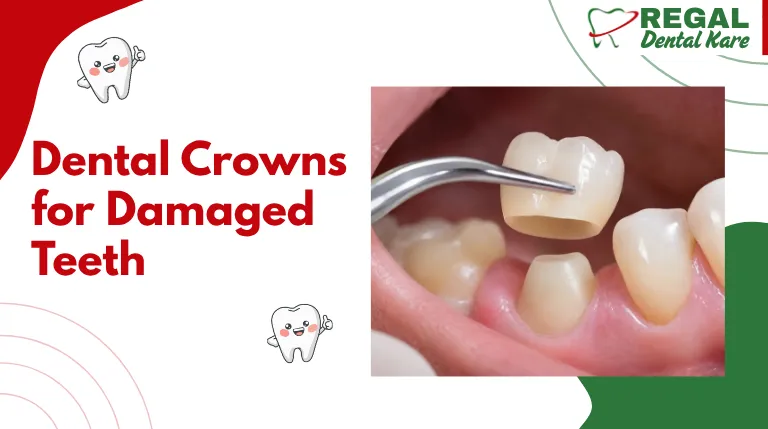
A damaged or weakened tooth can affect your ability to eat, speak, and smile comfortably. When a tooth has extensive decay, cracks, fractures, or has undergone root canal treatment, a regular filling may not always provide enough support. In such cases, a dental crown can help restore the tooth’s strength, function, and appearance.
If you are searching for Dental Crowns in Viman Nagar or Dental Crowns in Koregaon Park, understanding the types of crowns, their benefits, and proper care can help you make an informed decision about your dental treatment.
What Is a Dental Crown?
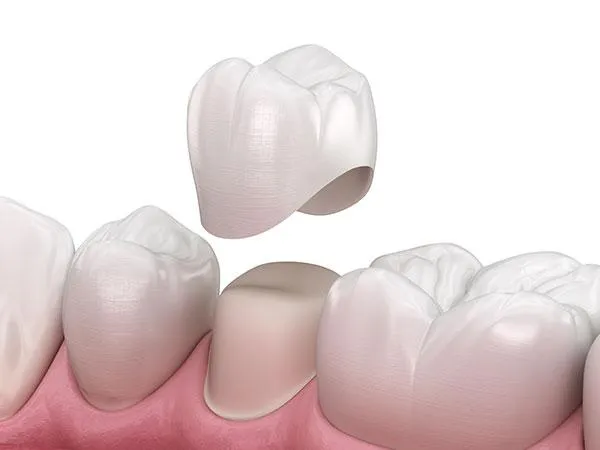
A dental crown is a custom-made restoration that covers the visible portion of a damaged or weakened tooth. It is designed to restore the tooth’s shape, strength, function, and appearance while protecting the remaining natural tooth structure.
Dental crowns can be recommended for both front and back teeth depending on the condition of the tooth, the amount of damage, and the patient’s functional and aesthetic requirements.
At Regal Dental Kare, patients looking for a Dental Clinic in Viman Nagar can receive a detailed dental evaluation to determine whether a crown is suitable for their specific condition.
When Is a Dental Crown Recommended?
A dental crown may be recommended when a tooth has lost a significant amount of its natural structure. Some common situations include:
Severely Decayed Teeth
Extensive tooth decay can weaken the tooth and make it difficult to restore with a simple filling. A crown can cover and protect the remaining tooth structure after the decay has been treated.
Cracked or Broken Teeth
A cracked or fractured tooth may become weaker over time and can be more vulnerable to further damage. Depending on the location and severity of the fracture, a crown may help protect and restore the tooth.
After Root Canal Treatment
A tooth that has undergone root canal treatment may require additional protection, especially when substantial tooth structure has been lost. A dental crown can help restore its function and protect it from excessive forces during chewing.
Worn-Down Teeth
Teeth affected by significant wear, grinding, or erosion may sometimes require crowns to restore their shape and function. Your dentist will assess the underlying cause before recommending treatment.
Improving the Appearance of Damaged Teeth
Certain crown materials can improve the appearance of teeth that are heavily discoloured, misshapen, or damaged, while also restoring their function.
Types of Dental Crowns
Different materials are available for dental crowns. The appropriate option depends on the tooth’s location, functional requirements, appearance, bite, and overall oral health.
Porcelain Crowns
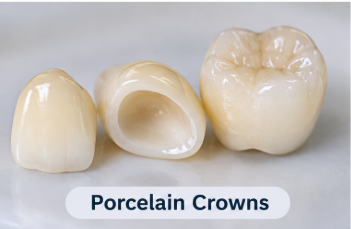
Porcelain crowns can provide a natural-looking appearance and are often considered when aesthetics are important. Their colour can be matched with the surrounding teeth to create a more natural smile.
Zirconia Crowns
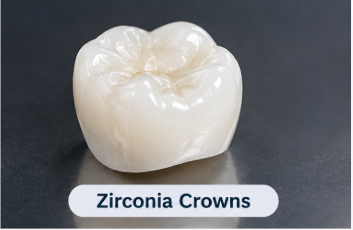
Zirconia is a strong and durable material that can be used for different types of dental restorations. Zirconia crowns combine strength with a tooth-like appearance and may be suitable for both front and back teeth.
Porcelain-Fused-to-Metal Crowns
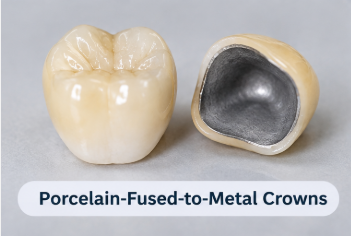
These crowns have a metal base covered with porcelain. They offer a combination of strength and aesthetics and have been used for dental restorations for many years.
Metal Crowns
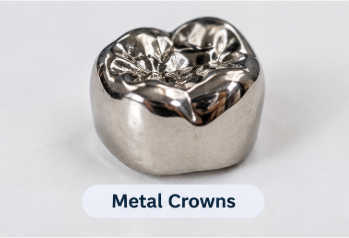
Metal crowns are highly durable and can withstand significant chewing forces. They may be considered for certain back teeth, although their metallic appearance may make them less suitable when aesthetics are a priority.
A consultation with a qualified dentist is important to determine which crown material is appropriate for your tooth.
Benefits of Dental Crowns
A properly planned dental crown can provide several benefits for patients with damaged or weakened teeth.
- Restores tooth strength: A crown can help protect a weakened tooth from further damage.
- Improves chewing function: It can restore the shape and function required for comfortable chewing.
- Enhances appearance: Modern crown materials can closely resemble natural teeth.
- Protects treated teeth: Crowns can provide additional support after extensive dental treatment.
- Restores tooth shape: A damaged or worn tooth can be rebuilt to improve its appearance and function.
- Supports long-term dental health: Properly maintained crowns can remain functional for many years.
Dental Crown Procedure
The dental crown procedure generally starts with a comprehensive examination of the affected tooth. Your dentist may recommend X-rays to evaluate the tooth and surrounding structures.
If a crown is suitable, the tooth is carefully prepared to create adequate space for the restoration. An impression or digital scan may then be taken to help create a crown that fits accurately.
A temporary crown may be placed while the permanent restoration is being prepared. Once the final crown is ready, your dentist checks its fit, bite, shape, and appearance before permanently placing it.
The number of appointments and exact procedure may vary depending on the condition of the tooth and the type of crown selected.
How to Care for Your Dental Crown
Good oral hygiene is important for maintaining both your dental crown and the natural tooth underneath it.
Brush and Floss Regularly
Brush your teeth twice a day with fluoride toothpaste and clean between your teeth every day. Pay particular attention to the gumline around the crown.
Avoid Excessive Pressure
Avoid chewing on extremely hard objects such as ice, pens, or other non-food items. These habits can place unnecessary stress on dental restorations.
Manage Teeth Grinding
If you grind or clench your teeth, inform your dentist. Excessive grinding can place additional pressure on crowns and natural teeth. A customised night guard may be recommended when appropriate.
Attend Regular Dental Check-Ups
Regular dental visits allow your dentist to monitor the condition of your crown, gums, bite, and surrounding teeth. Professional dental cleaning can also help maintain good oral hygiene.
How Long Can a Dental Crown Last?
The lifespan of a dental crown depends on several factors, including the material, oral hygiene, bite forces, lifestyle habits, and condition of the supporting tooth.
Maintaining good oral hygiene, avoiding excessive pressure on the crown, and attending regular dental check-ups can help extend its functional lifespan.
Dental Crowns in Viman Nagar and Koregaon Park, Pune
If you have a cracked, severely decayed, weakened, or damaged tooth, a dental crown may be an effective way to restore its strength and function.
At Regal Dental Kare, patients looking for a Dentist in Viman Nagar or a Dentist in Koregaon Park can receive personalised restorative and prosthodontic dental care. Dr. Dannish Virrani evaluates each patient’s dental condition and recommends treatment based on individual needs.
If you are searching for Dental Crowns in Pune, Dental Crowns in Viman Nagar, or Dental Crowns in Koregaon Park, a professional dental consultation can help you understand which type of crown is suitable for your tooth.
Whether you are looking for a Dental Clinic in Viman Nagar, Dental Clinic in Koregaon Park, or a trusted Dental Clinic in Pune, proper diagnosis and treatment planning are important for achieving a comfortable and functional restoration.
Regal Dental Kare
Viman Nagar & Koregaon Park, Pune
Call Now: 8055216166